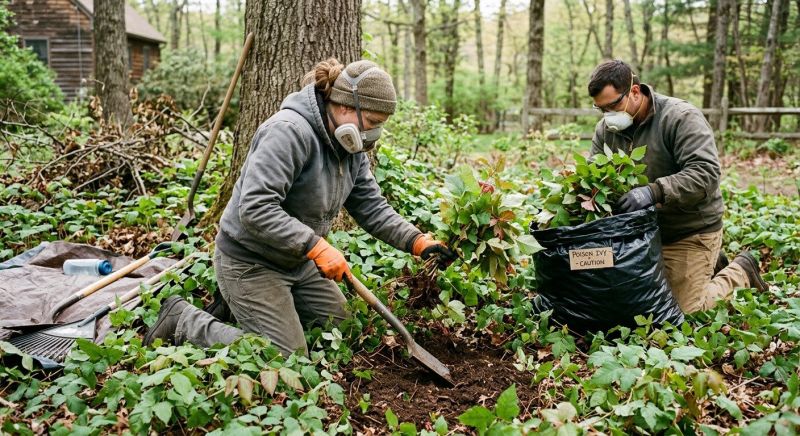
Poison Oak Removal in Burlington County, NJ
Poison oak removal services focus on safely eliminating this invasive plant from residential properties. These services typically cover a range of projects, including clearing poison oak from yards, gardens, fence lines, and other outdoor spaces where the plant poses a risk. Property owners often seek removal to protect children, pets, and themselves from contact with the plant’s skin-irritating oils, especially in areas where outdoor activities or landscaping are planned. Understanding the extent of the infestation and the specific areas affected can help determine the best approach for effective removal.
Before requesting poison oak removal, property owners should consider the size and location of the affected areas, as well as any nearby plants or structures that may be impacted. It’s also helpful to know if the plant has spread extensively or is concentrated in a specific section of the yard. Proper identification of poison oak is essential to ensure that only the targeted plants are removed, minimizing damage to surrounding vegetation. Clear communication about the property’s layout and the level of infestation can support a safe and thorough removal process.
Many property owners in Burlington County, NJ look into Poison Oak Removal for repairs, replacements, upgrades, and appearance-related improvements.
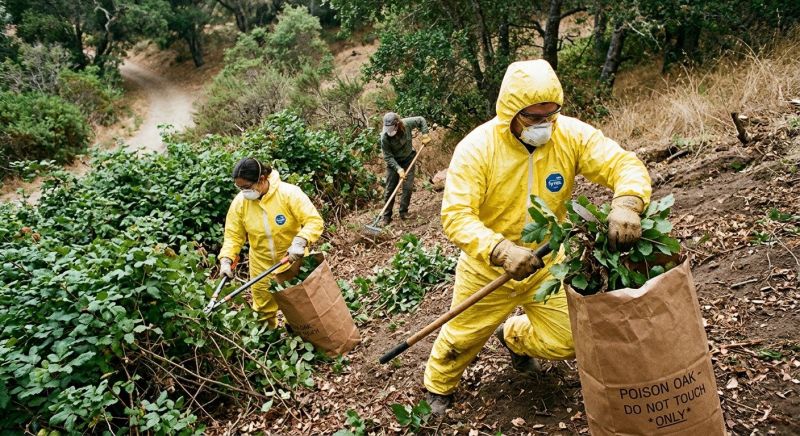
Poison Oak Removal For Safety
Removing poison oak helps prevent skin irritation and allergic reactions on residential and commercial properties.
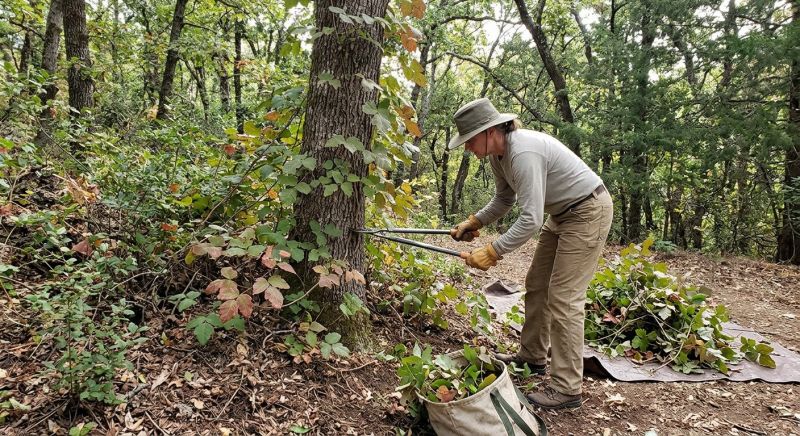
Property Maintenance And Cleanup
Clearing poison oak contributes to a tidy landscape and reduces the risk of accidental contact for visitors and residents.
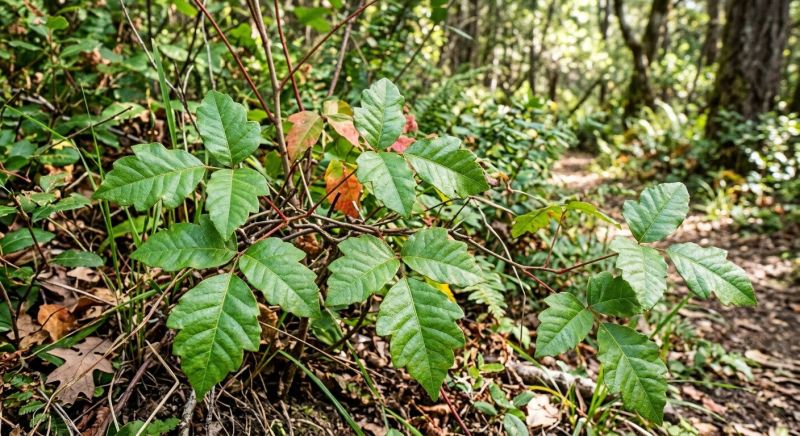
Expert Poison Oak Management
Professional removal ensures effective control of poison oak growth in gardens, parks, and wooded areas around burlington county.
Poison Oak Removal in Burlington County, NJ
Poison oak removal services focus on safely eliminating this invasive plant from residential properties. These services typically cover a range of projects, including clearing poison oak from yards, gardens, fence lines, and other outdoor spaces where the plant poses a risk. Property owners often seek removal to protect children, pets, and themselves from contact with the plant’s skin-irritating oils, especially in areas where outdoor activities or landscaping are planned. Understanding the extent of the infestation and the specific areas affected can help determine the best approach for effective removal.
Before requesting poison oak removal, property owners should consider the size and location of the affected areas, as well as any nearby plants or structures that may be impacted. It’s also helpful to know if the plant has spread extensively or is concentrated in a specific section of the yard. Proper identification of poison oak is essential to ensure that only the targeted plants are removed, minimizing damage to surrounding vegetation. Clear communication about the property’s layout and the level of infestation can support a safe and thorough removal process.
Many property owners in Burlington County, NJ look into Poison Oak Removal for repairs, replacements, upgrades, and appearance-related improvements.
Common Poison Oak Removal Jobs
Poison Oak Removal - Safely eliminates poison oak plants from residential landscapes.
Land clearing - Clears overgrown areas with poison oak to improve property safety.
Yard cleanup - Removes poison oak and debris for a tidier outdoor space.
Brush removal - Clears thick brush containing poison oak to prevent skin contact.
Vegetation control - Manages invasive plants, including poison oak, to protect landscaping.
Property maintenance - Keeps outdoor areas safe by controlling poison oak growth.
Poison Oak Removal Questions
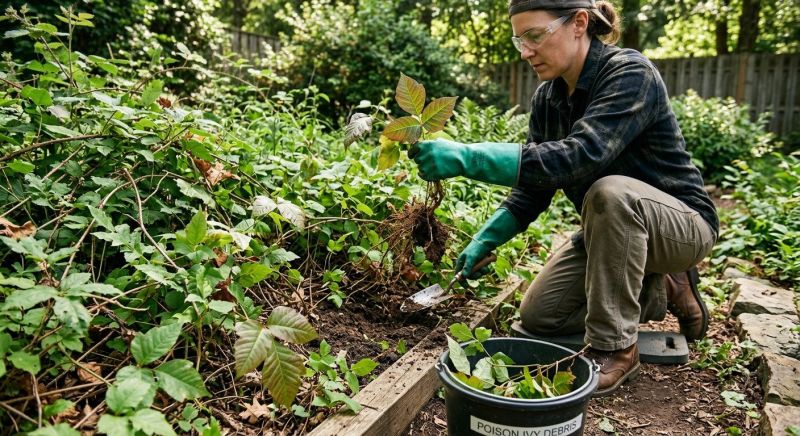
What is poison oak removal? Poison oak removal involves safely eliminating the plant to prevent skin irritation and exposure risks on residential or commercial properties.
Why is professional removal recommended? Professionals use proper techniques and equipment to ensure complete removal and reduce the risk of spreading or accidental contact.
What areas are typically treated for poison oak? Commonly treated areas include yards, trails, fences, and landscape beds where the plant has grown or spread.
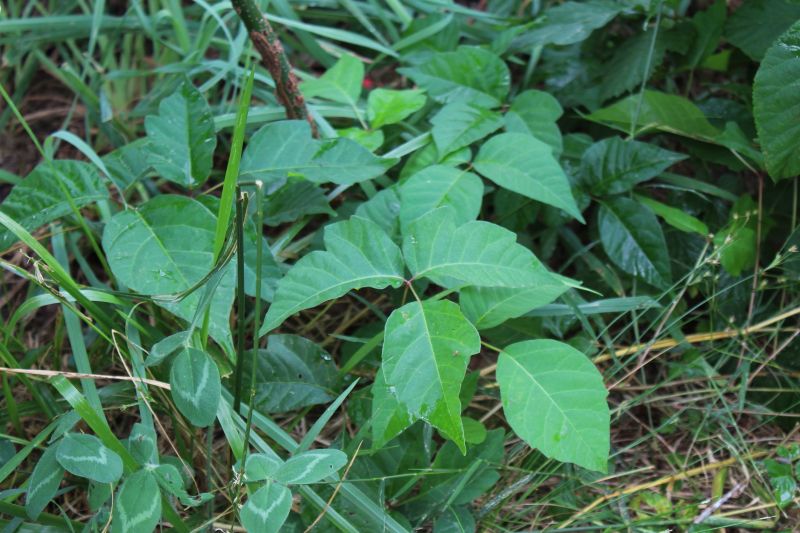
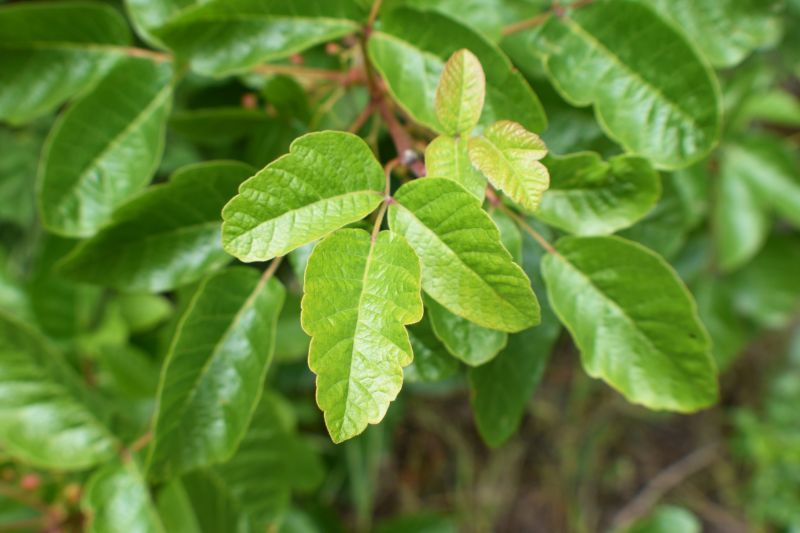
How can property owners identify poison oak? Poison oak has distinctive leaves that resemble oak trees, often with three leaflets, and may have a hairy or shiny appearance.
Request Poison Oak Removal in Burlington County, NJ
Use the quote form on this page to share the basics of your project and request more information for the type of work you need.